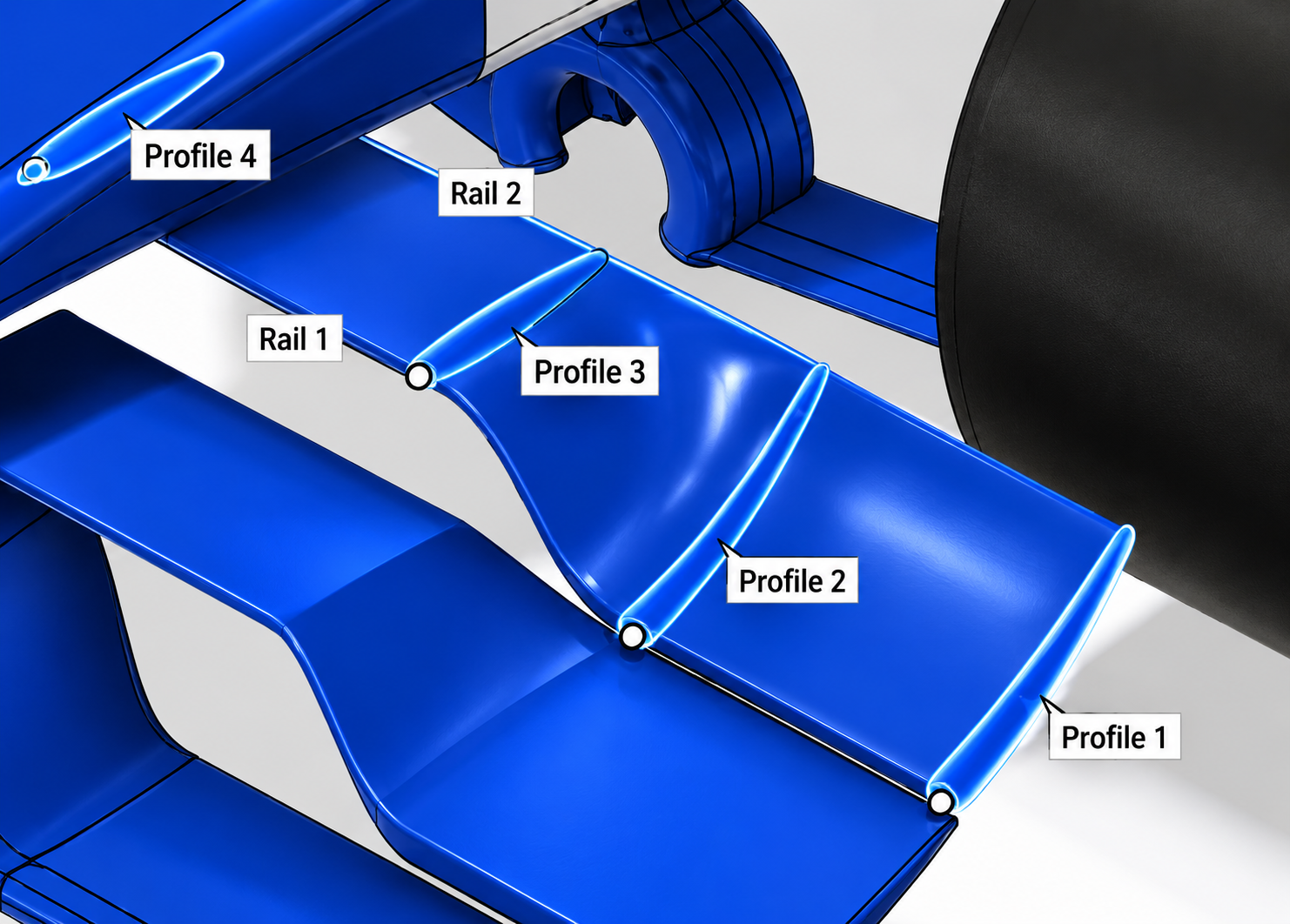
Advanced 3D Modeling
We transformed complex engineering concepts into precise 3D geometry using advanced surface modeling, lofts, sweeps, and curvature-controlled features.


Explore the design, simulation, manufacturing, and testing methods behind the development of our race car.
We transformed complex engineering concepts into precise 3D geometry using advanced surface modeling, lofts, sweeps, and curvature-controlled features.
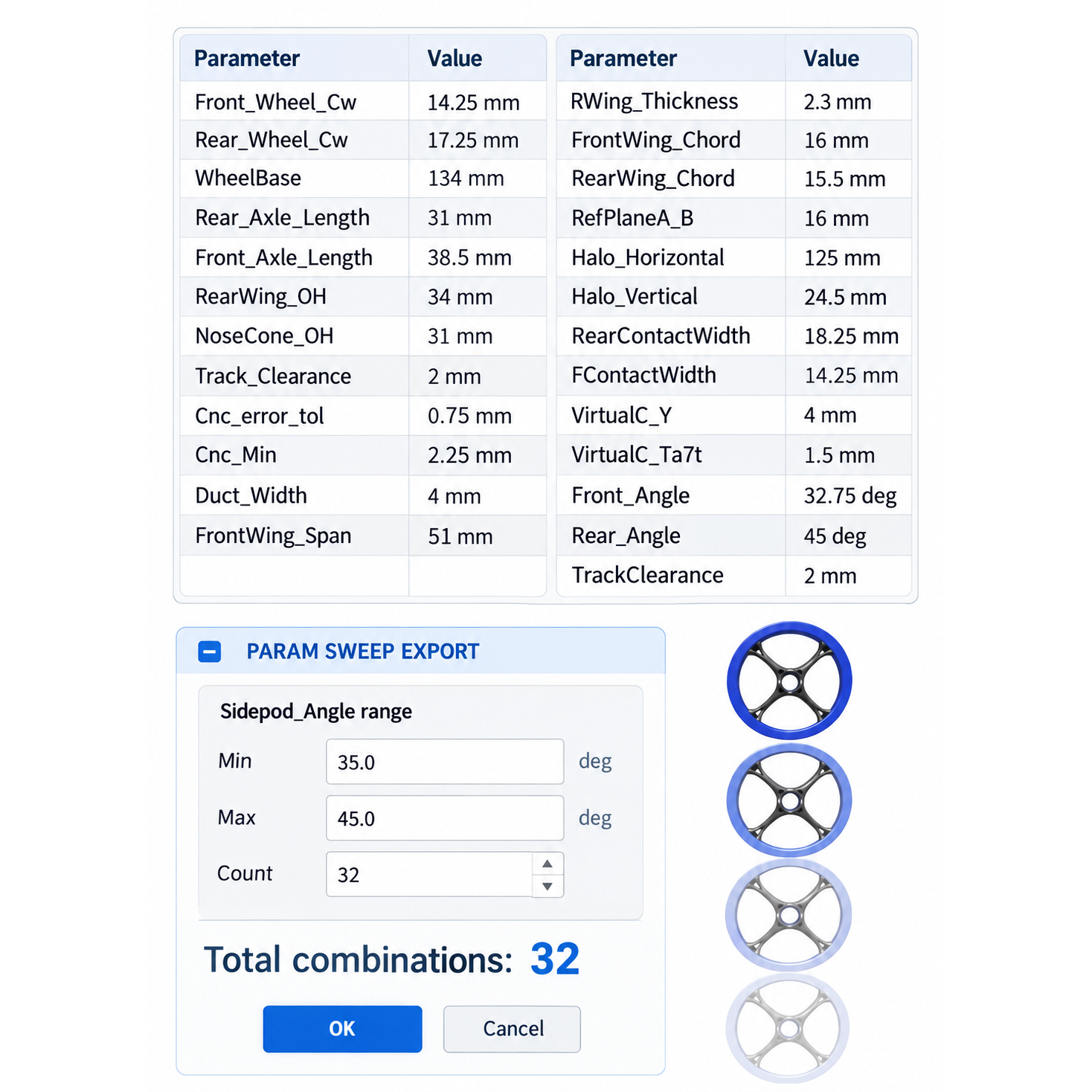
Our car was built around a fully parametric design approach, allowing dimensions to be rapidly changed and multiple design iterations to be automatically generated for testing.
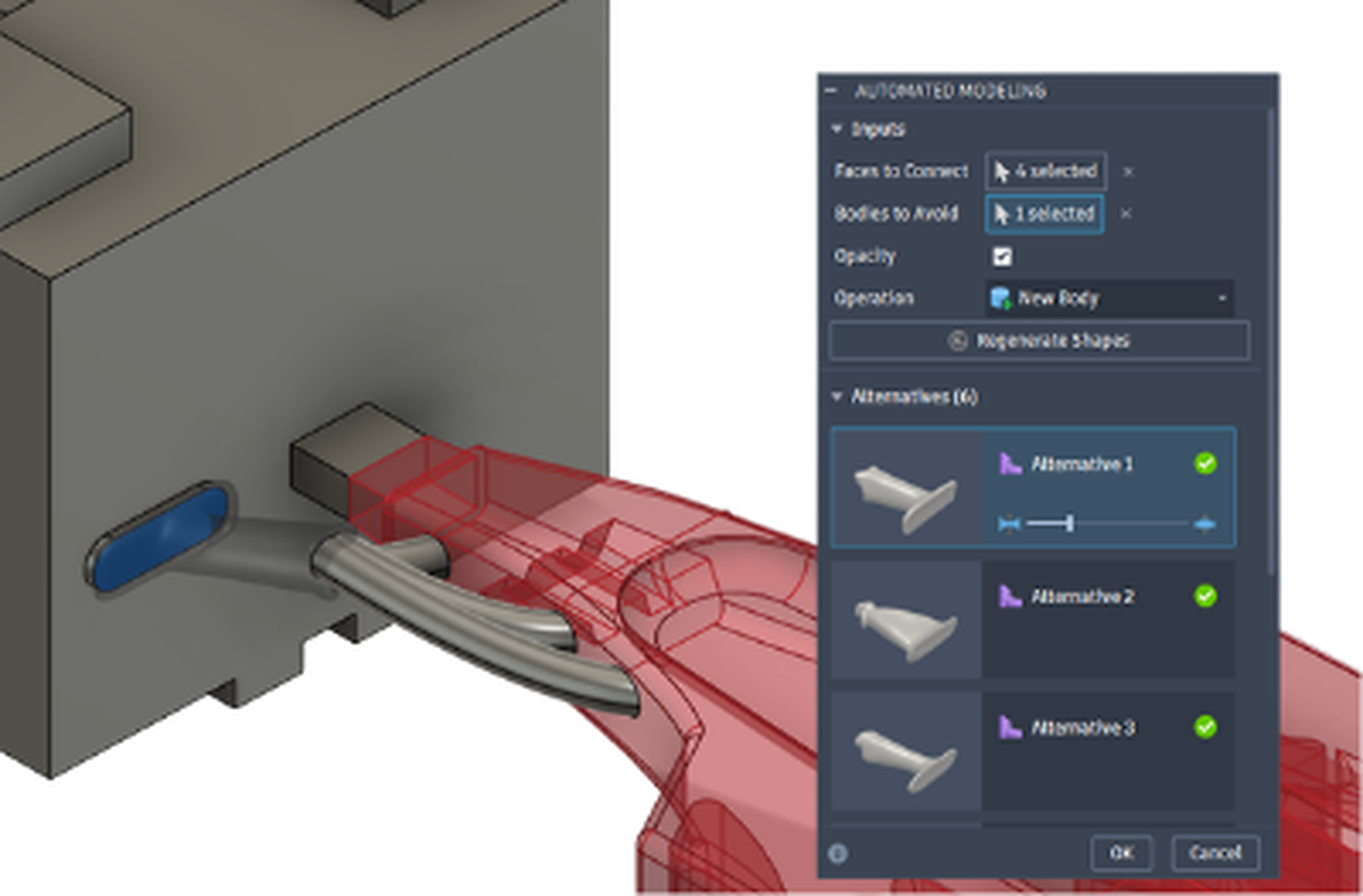
Generative design helped us explore optimized structures based on real loads and constraints, reducing unnecessary material while maintaining structural performance.
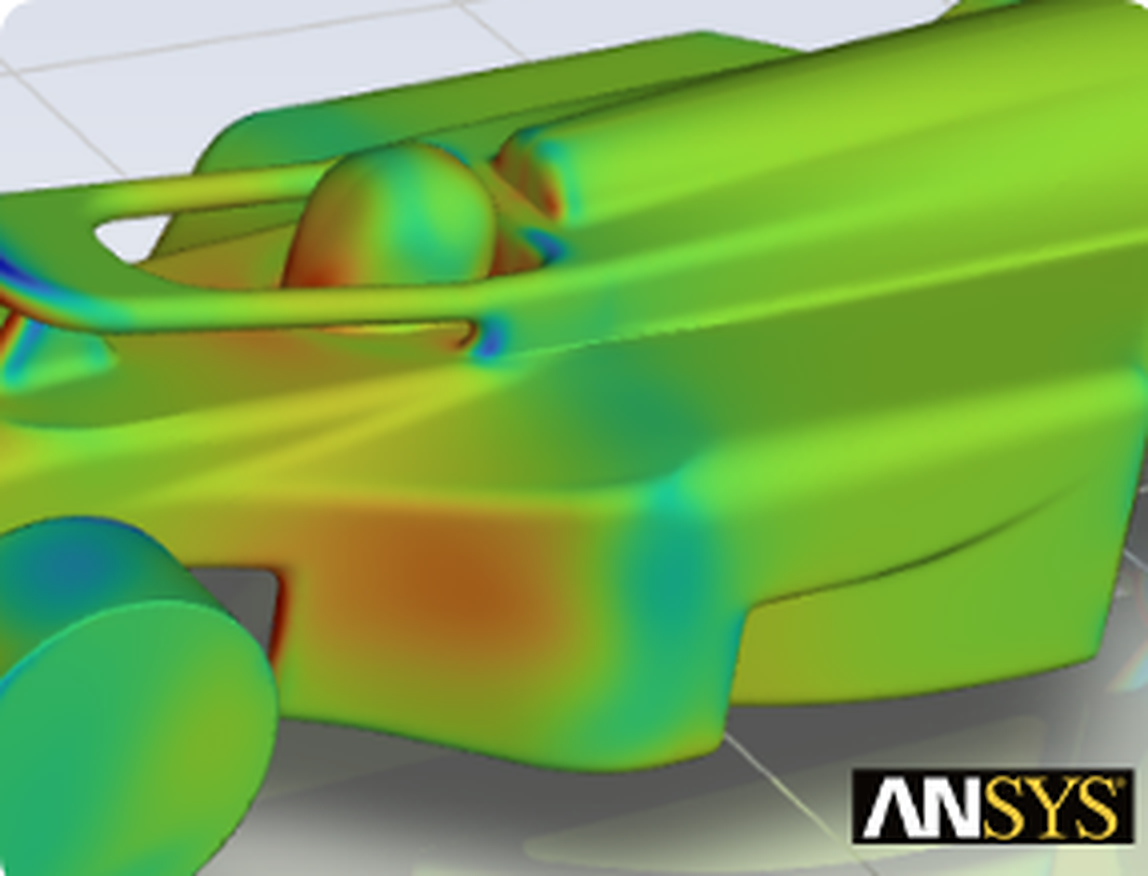
CFD became our virtual wind tunnel, allowing us to visualize pressure, velocity, turbulence, and wake formation while continuously refining the car’s aerodynamics.
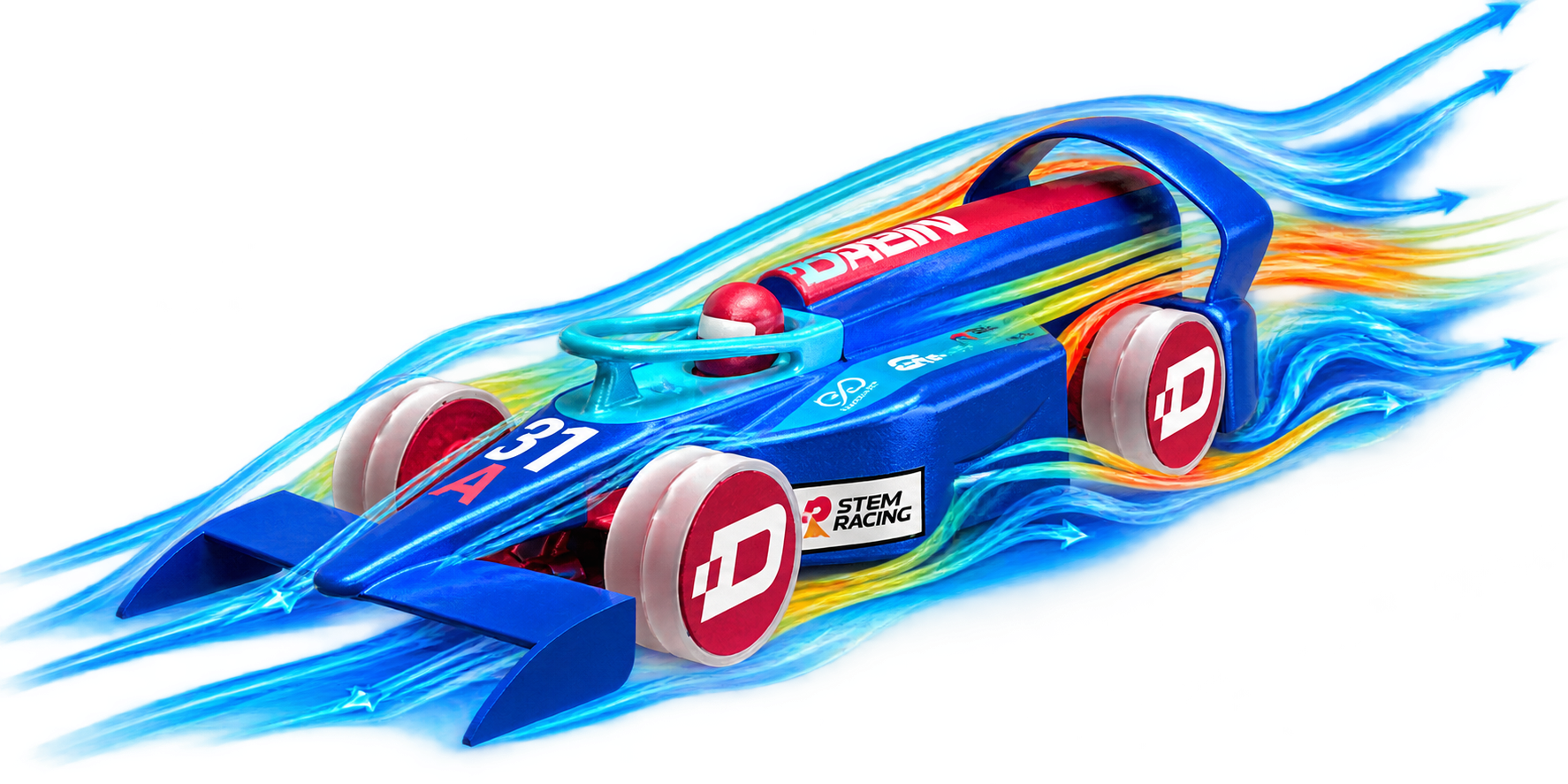
Every major body surface was developed to control how air travels around the car, with a focus on maintaining smooth flow and reducing aerodynamic losses.
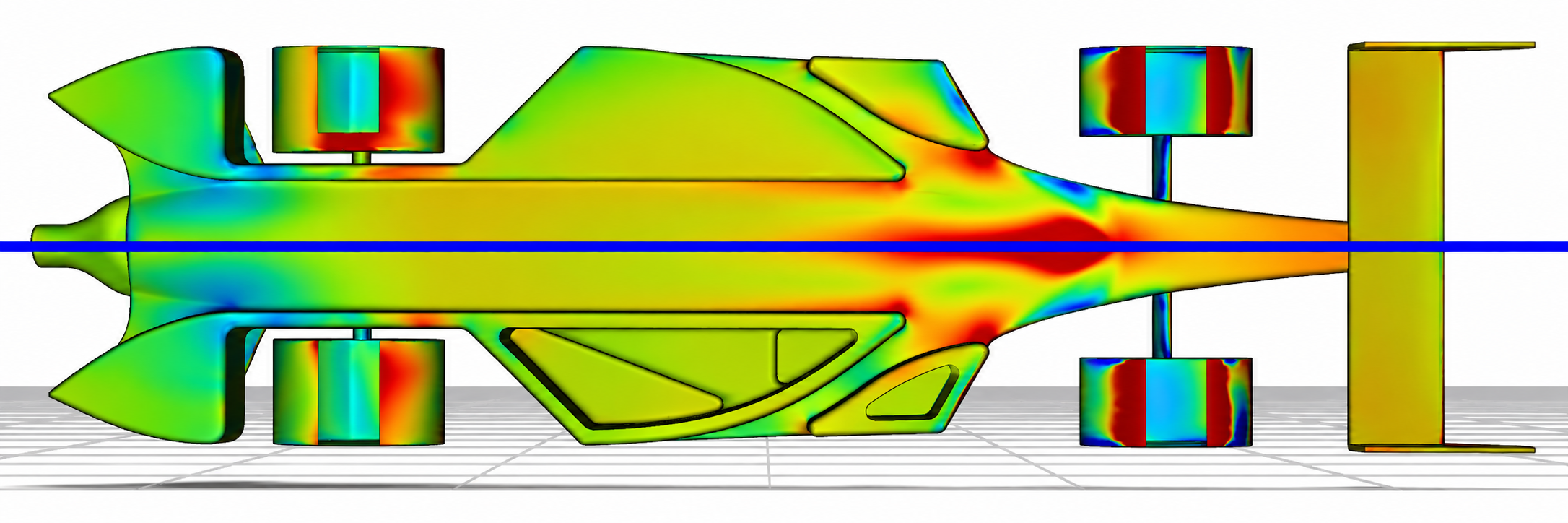
We explored underbody channels, ducts, and pressure gradients to manage airflow beneath the car while balancing drag, lift, and stability.
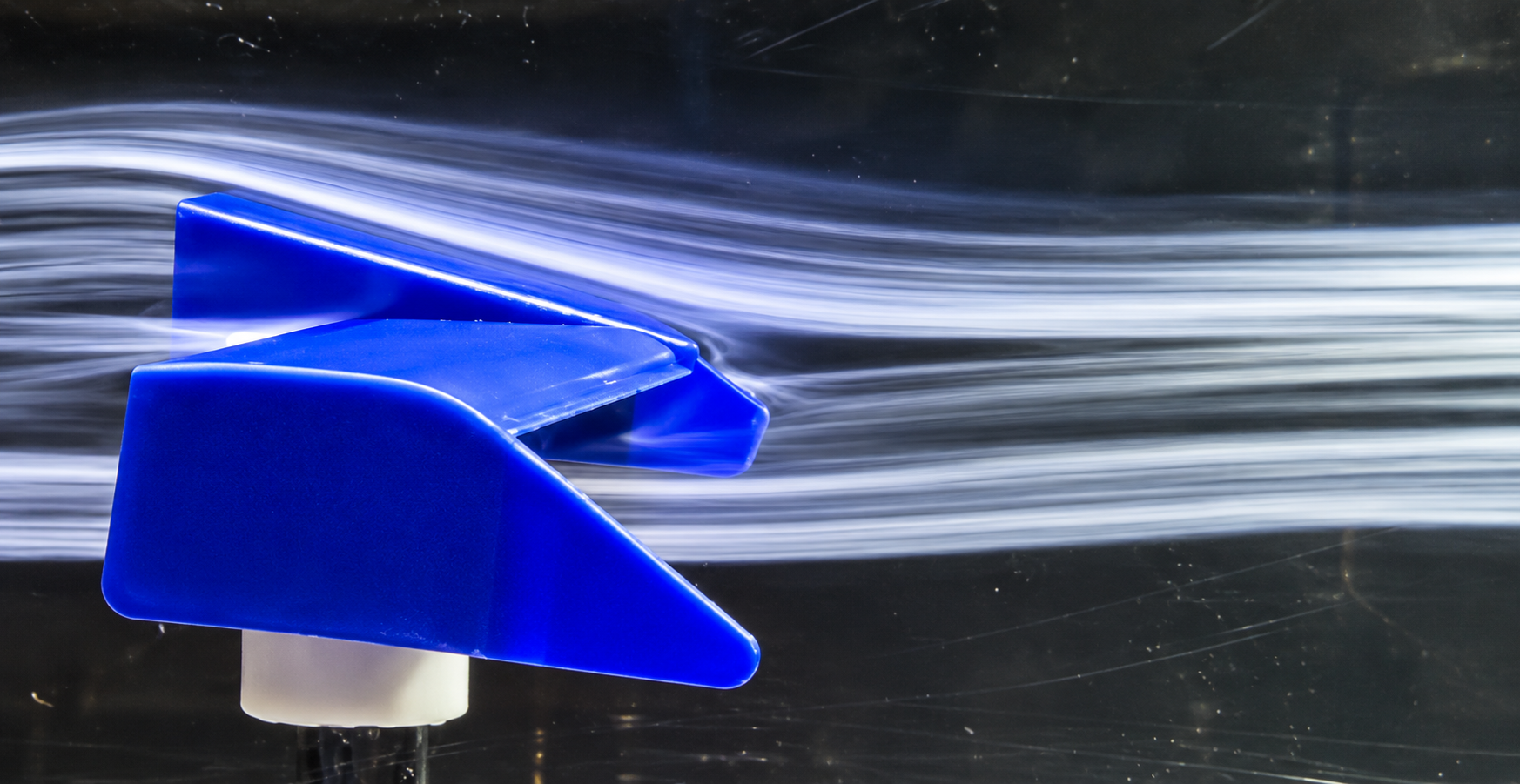
Front and rear aerodynamic elements were developed to control airflow separation, reduce wake, and improve the car’s overall aerodynamic behavior.
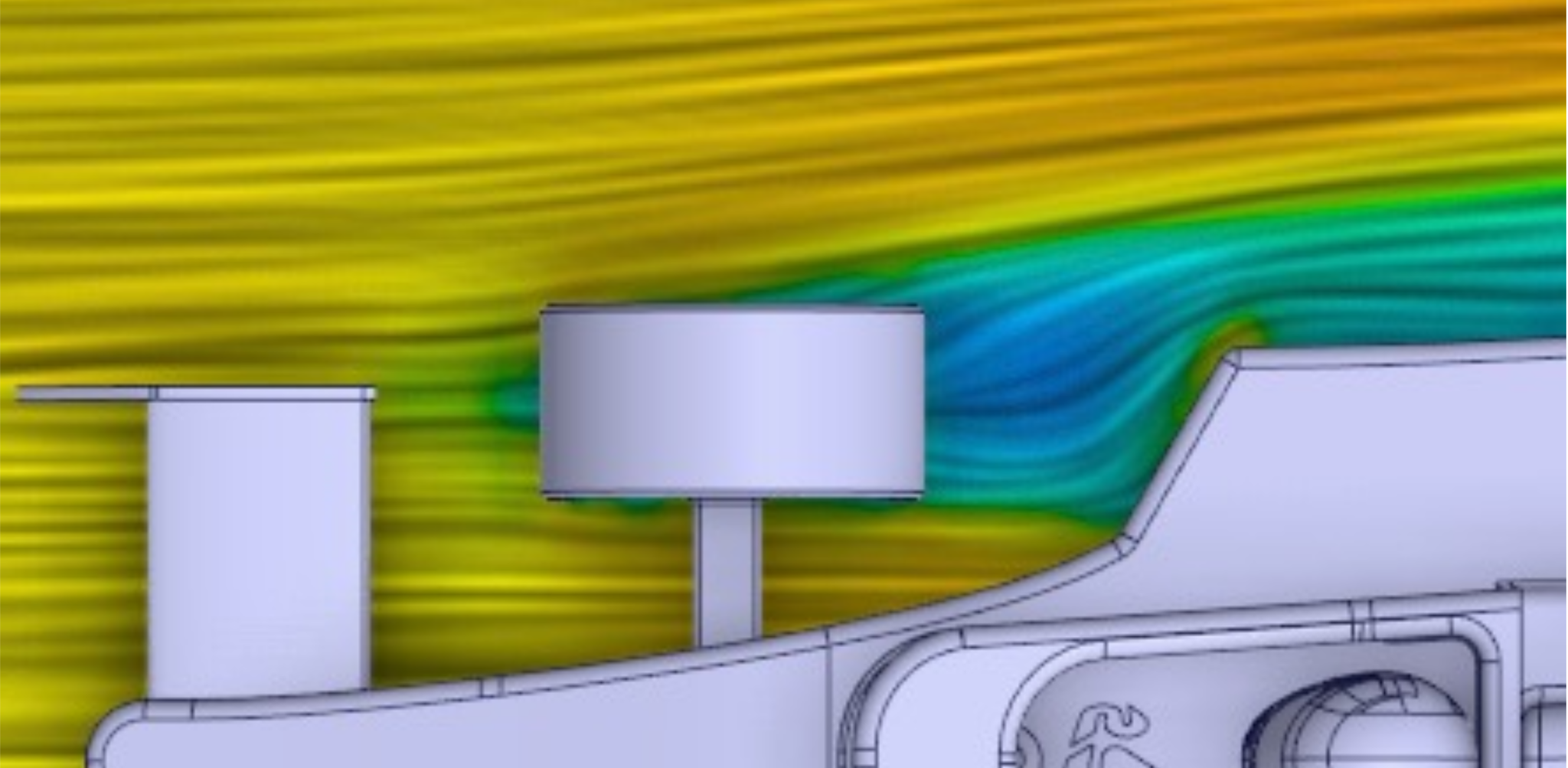
We investigated how rotating wheels interact with airflow, including the Magnus effect, wheel wake, pressure changes, and their influence on drag and lift.
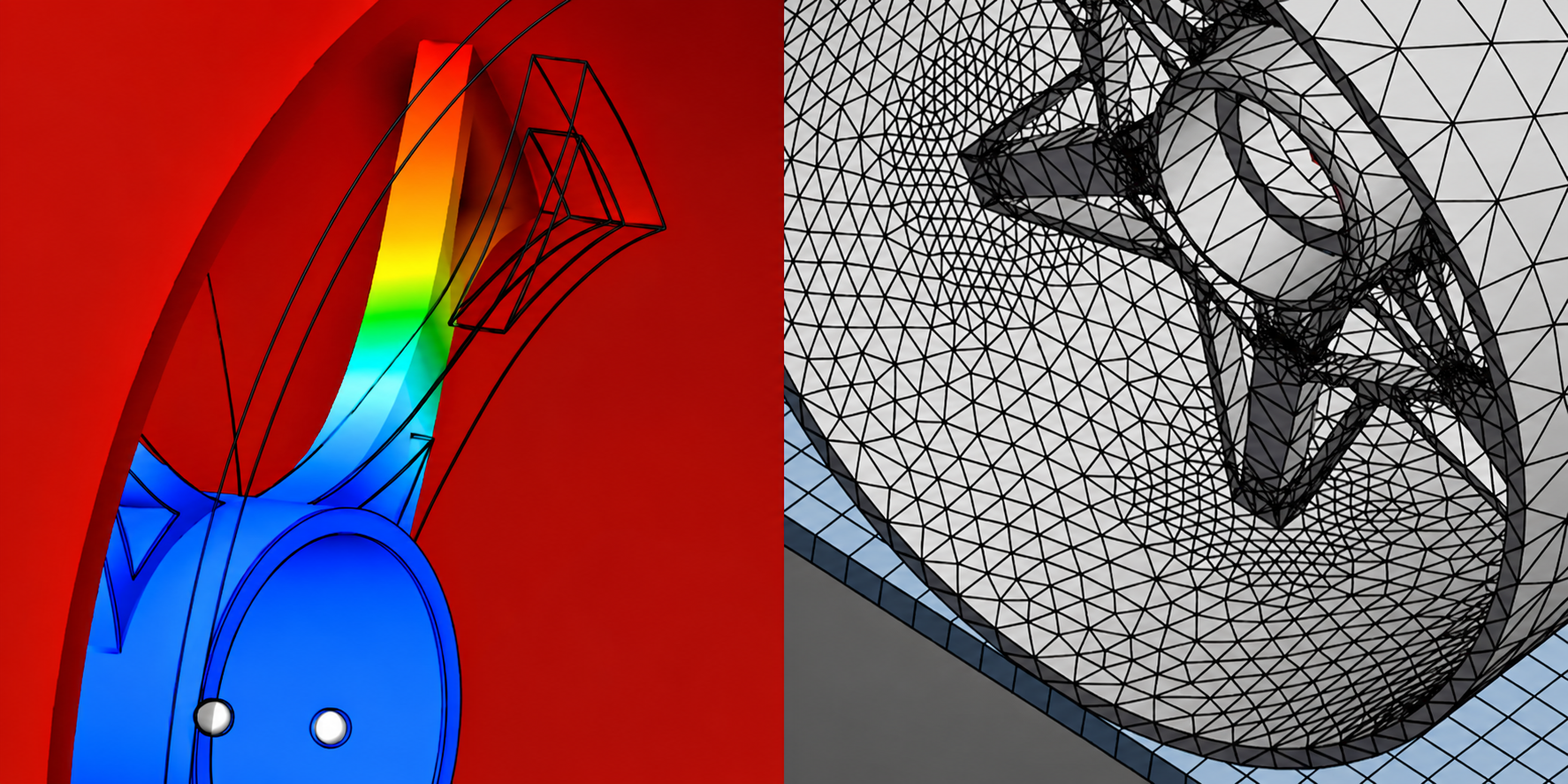
Structural simulations allowed us to evaluate loads, stiffness, and potential failure before manufacturing, helping create lighter and stronger components.
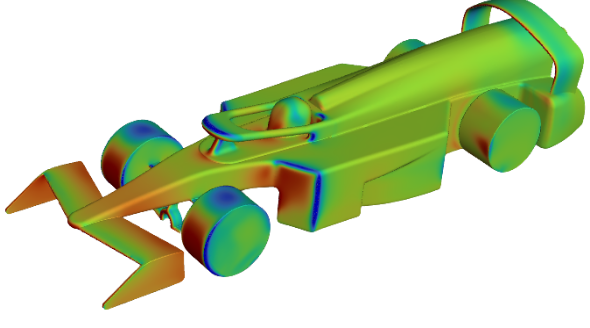
Ideas were developed and evaluated virtually before manufacturing, allowing unsuccessful concepts to be identified early and promising designs to be refined faster.
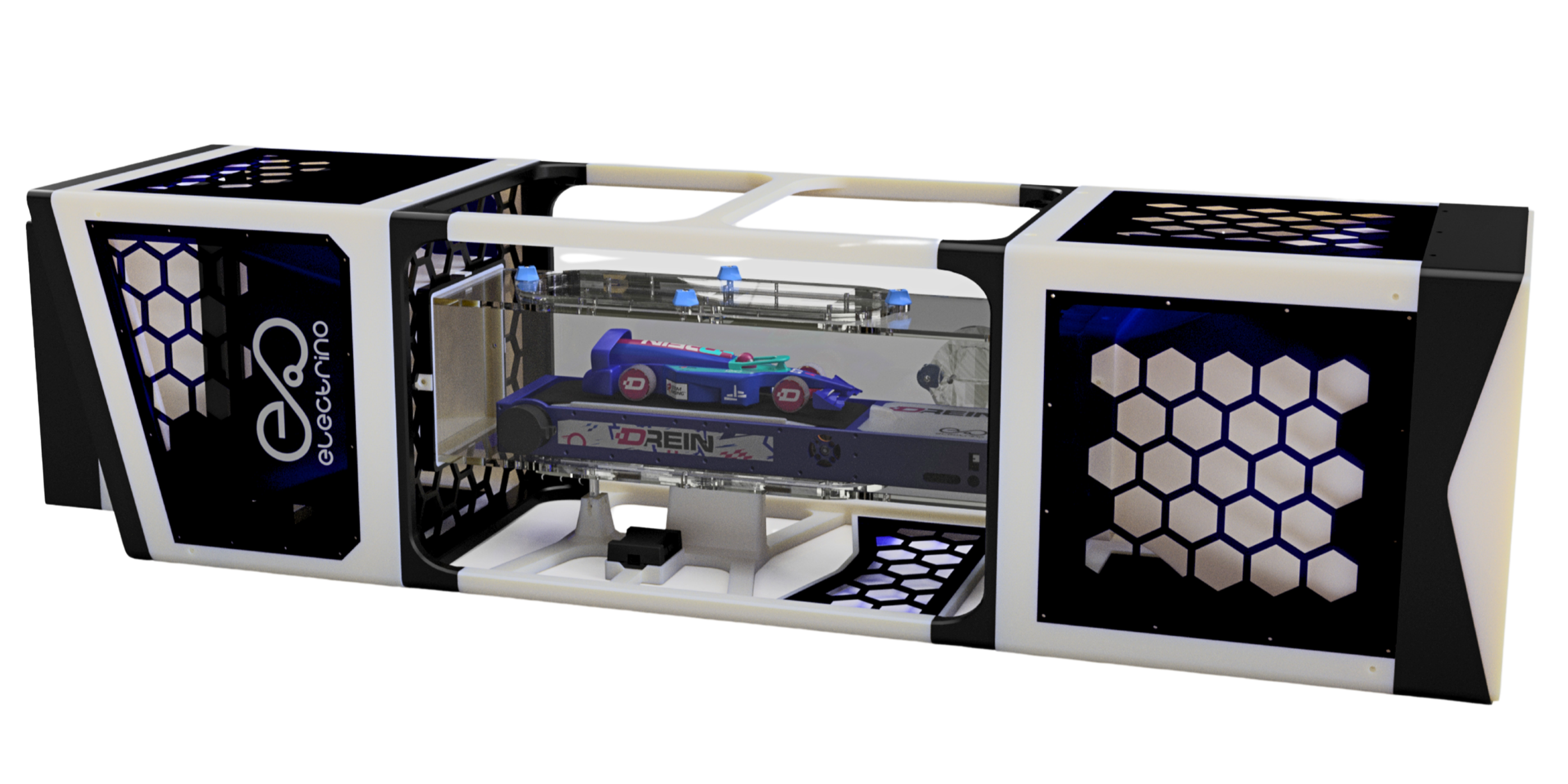
CFD predictions were validated using physical wind-tunnel experiments, including rotating-wheel testing and modular prototypes with interchangeable components.
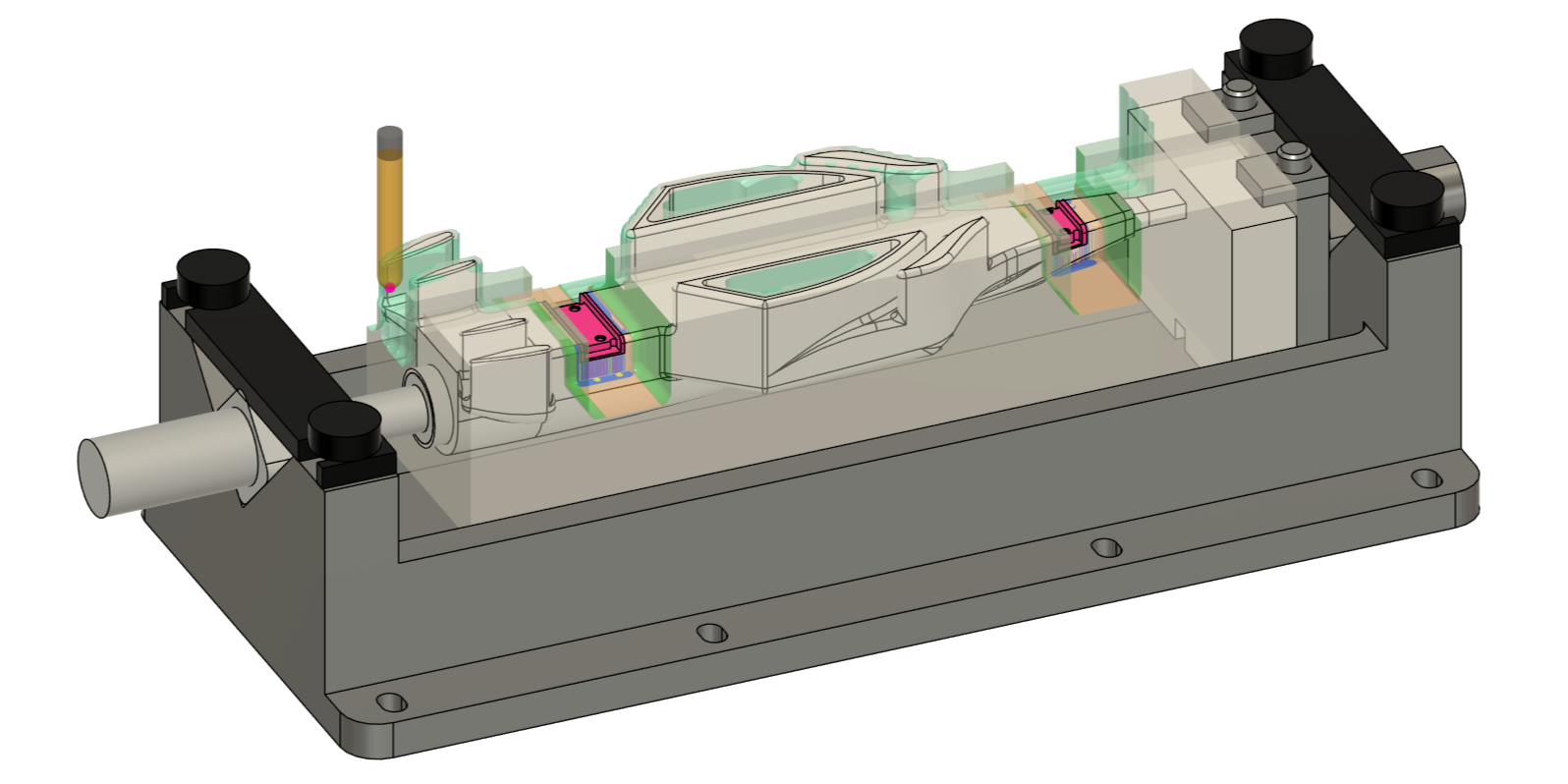
Our designs were developed around real CNC capabilities, considering tool accessibility, minimum radii, machining directions, and manufacturing constraints from the start.
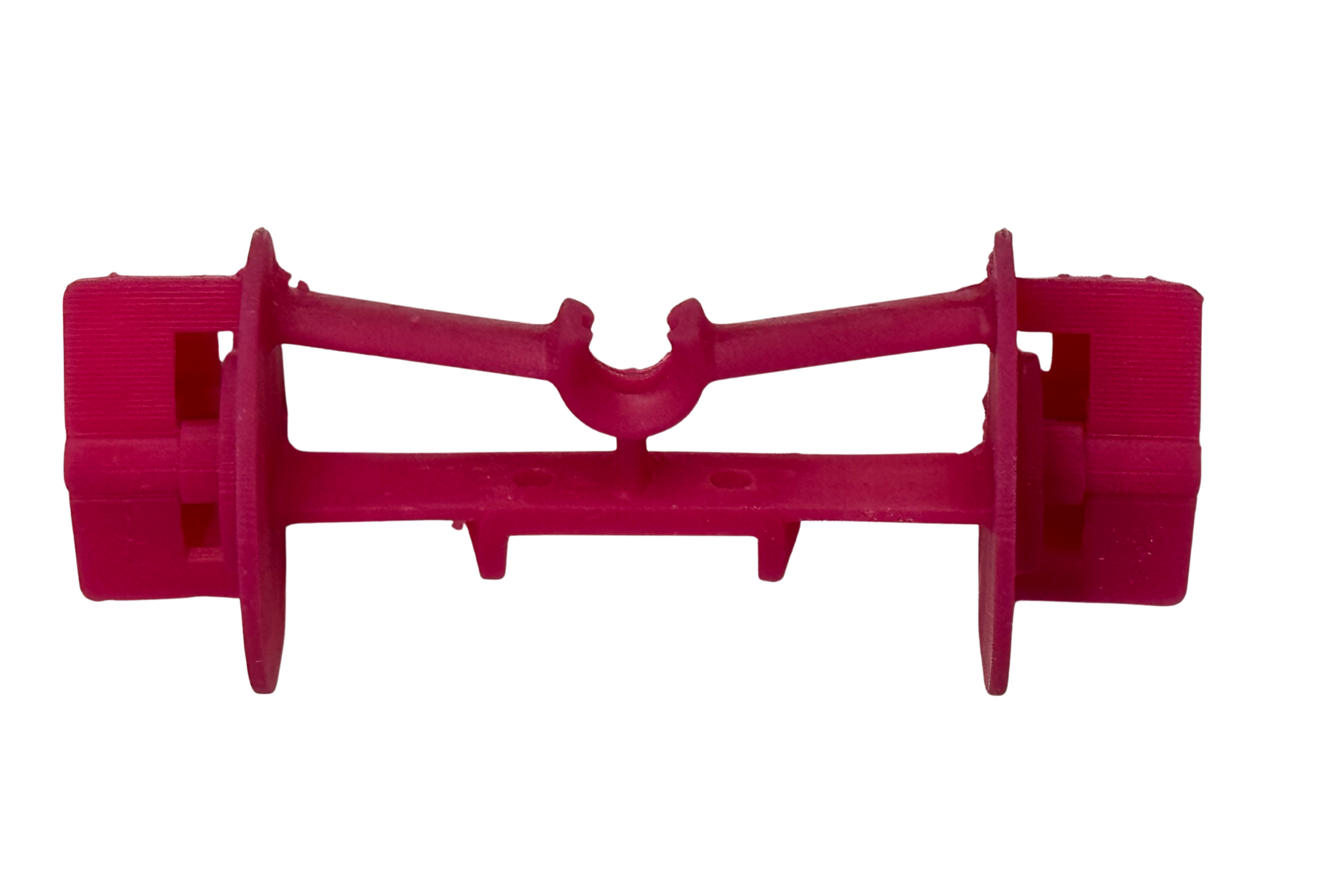
3D printing allowed us to quickly manufacture experimental components and modular prototypes, turning digital concepts into physical tests.
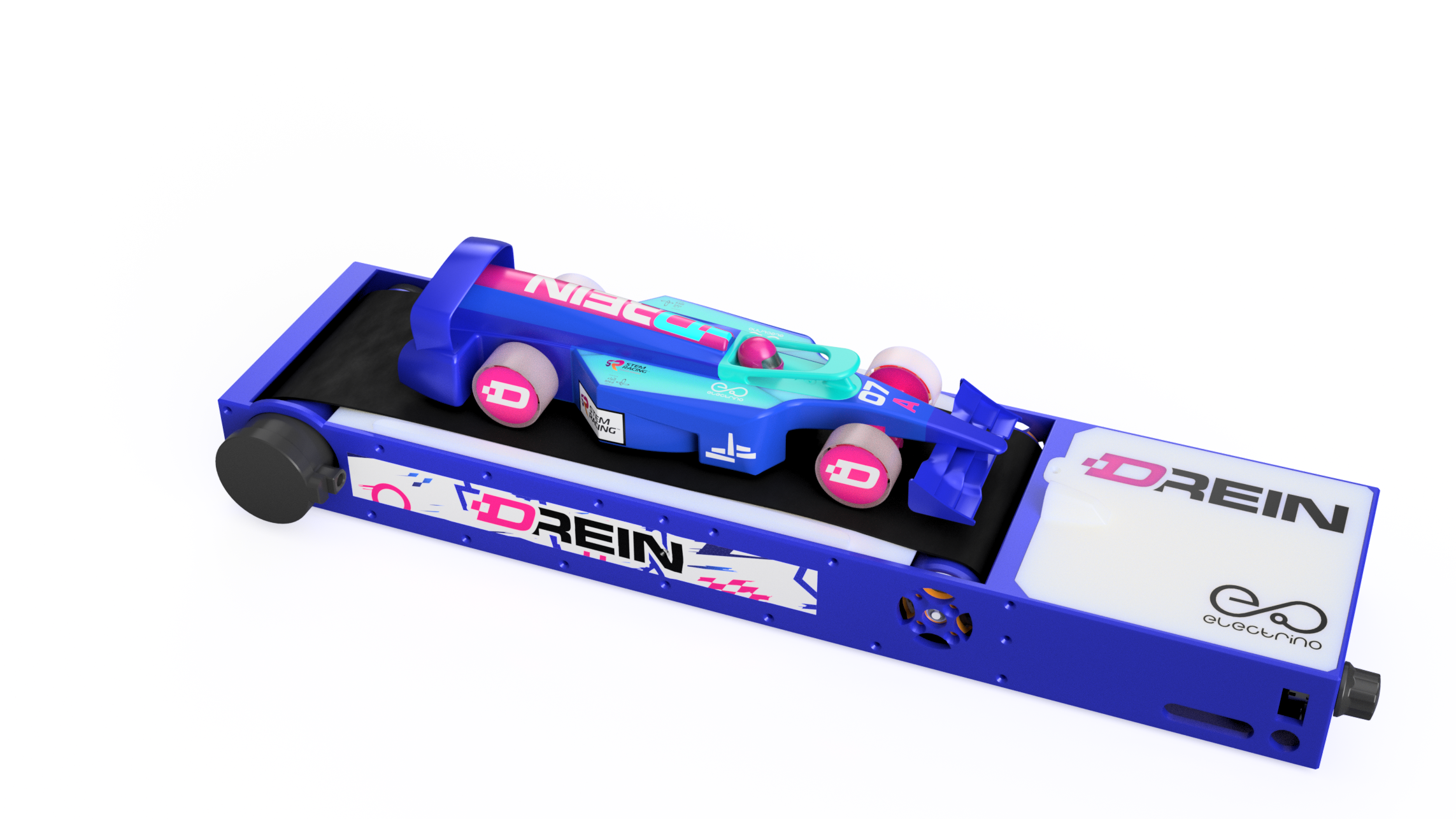
Final designs were validated through physical testing, measuring real-world behavior and using the results to guide further engineering improvements.