Project management / Team delivery

One team. A shared plan.

We connect engineering, enterprise, and management through clear responsibilities and a documented plan. Our portfolio follows the work from the first goals to scheduling, resource decisions, and progress reviews.

01

Initiation Process

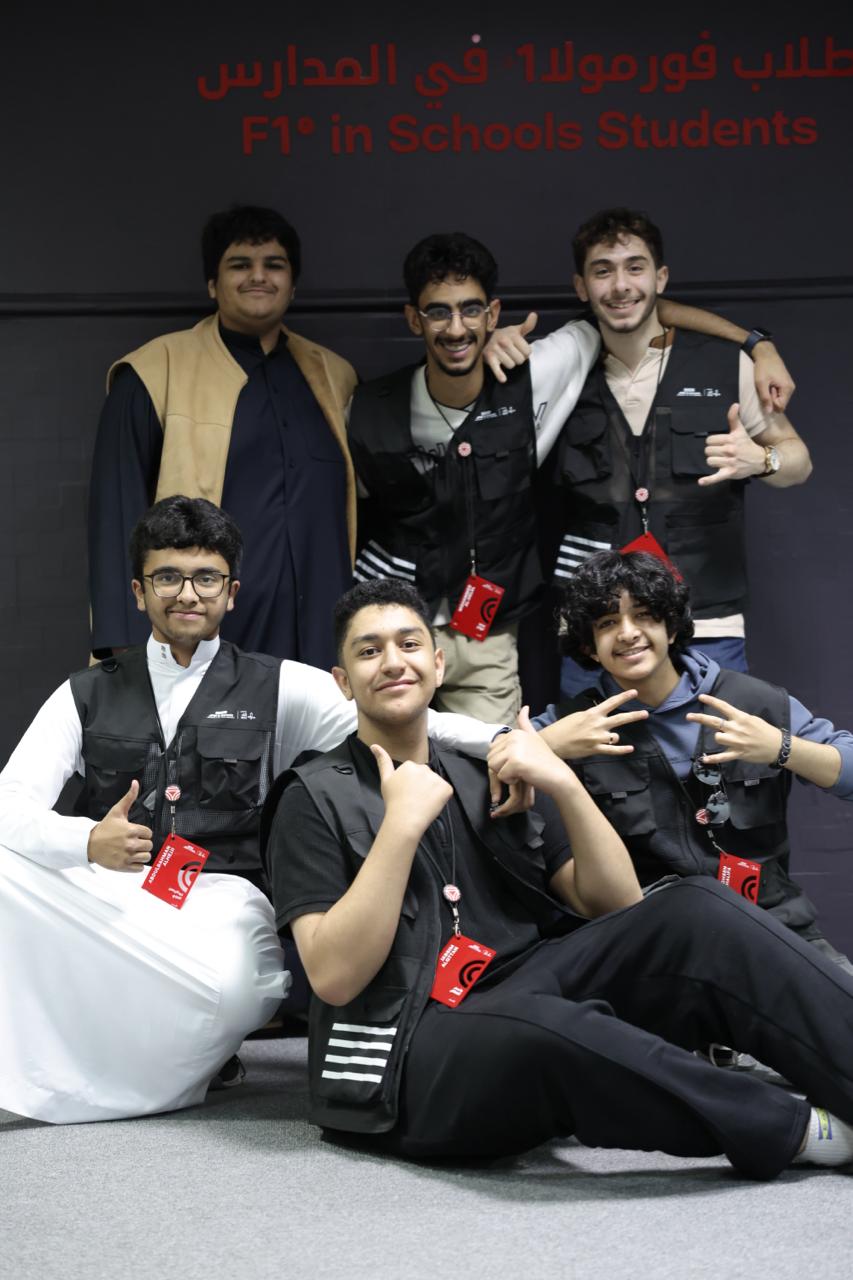
DREIN students together at an F1 in Schools event

At the beginning of the season, Team Drein established a clear project foundation by identifying objectives, defining team goals, and analyzing competition requirements. The initiation process focused on creating a strong strategic direction that aligned with STEM Racing regulations and the team’s long-term vision.

The team conducted brainstorming sessions to generate innovative ideas for car design, branding, sponsorship acquisition, and team operations. Feasibility studies and early research were performed to evaluate manufacturing methods, aerodynamic concepts, resource availability, and timeline expectations.

A stakeholder analysis was also completed to identify sponsors, mentors, school management, and external partners who could support the project. By clearly defining responsibilities and expectations from the start, Drein created a structured workflow that improved collaboration and decision-making throughout the season.
02

Project Schedule

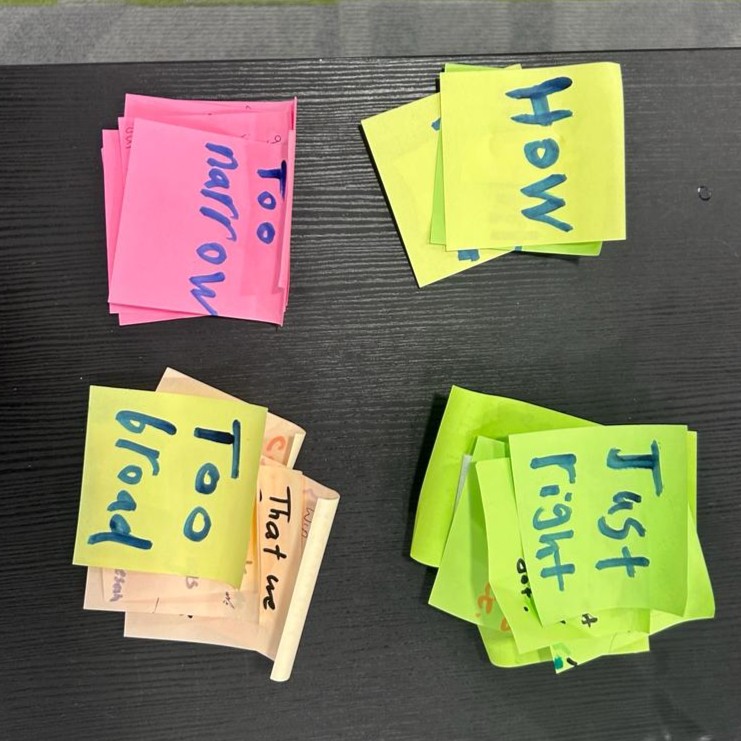
Color-coded sticky notes used to sort and prioritize project tasks

Team Drein followed a structured project schedule to ensure all deliverables were completed efficiently and on time. The season timeline was divided into multiple phases, allowing the team to monitor progress and maintain consistent workflow management.

The planning phase focused on research, concept development, and task allocation. During the design phase, CAD modeling, aerodynamic testing, and branding development were prioritized. Manufacturing and testing stages included prototype validation, quality control, and performance optimization. Final weeks focused on portfolio refinement, presentation preparation, and competition readiness.

The schedule was continuously monitored and updated using milestone tracking and internal review meetings to minimize delays and maintain productivity.

03

Budget & Resource Management

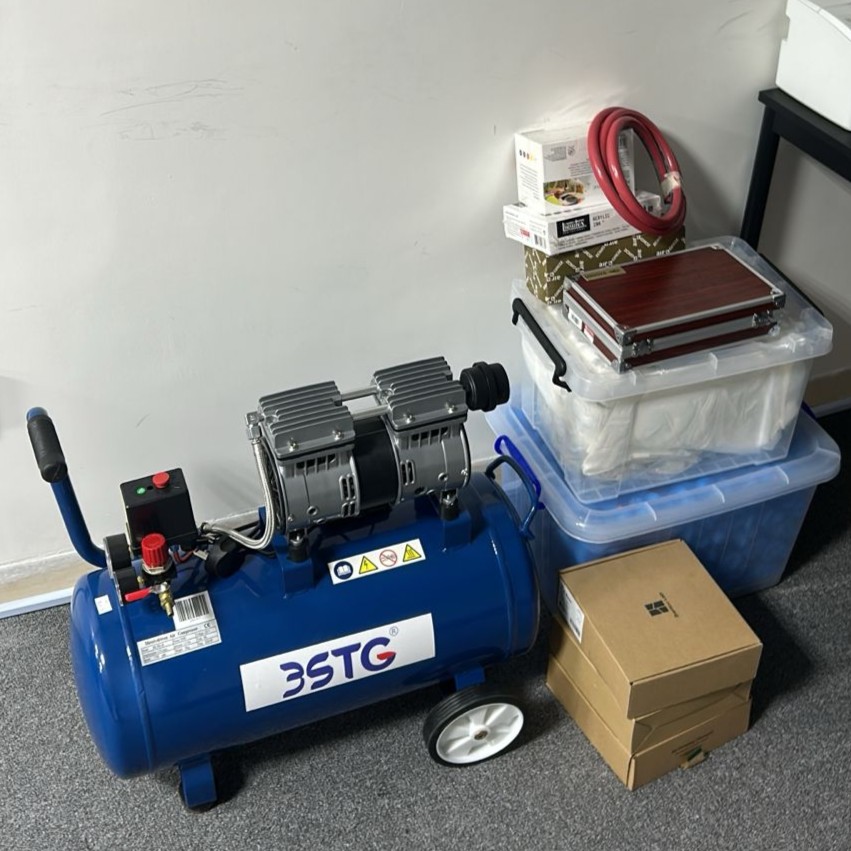
Workshop compressor and supplies used for project manufacturing

Effective financial planning and resource allocation played a critical role in Drein’s project success. The team implemented a structured budgeting system to monitor expenditures, allocate resources efficiently, and maintain financial sustainability throughout the season.

The budget covered manufacturing materials, testing equipment, marketing assets, pit display production, travel preparation, and team operations. Sponsorship funding and partnerships were carefully managed to maximize value while minimizing unnecessary costs.

To improve efficiency, Drein adopted a “make rather than buy” strategy whenever feasible. By producing components internally, the team reduced costs, increased technical understanding, and strengthened engineering capabilities.

Resource management also included time allocation, workforce planning, software utilization, and manufacturing optimization to ensure all project areas operated effectively.

04

Roles & Responsibilities

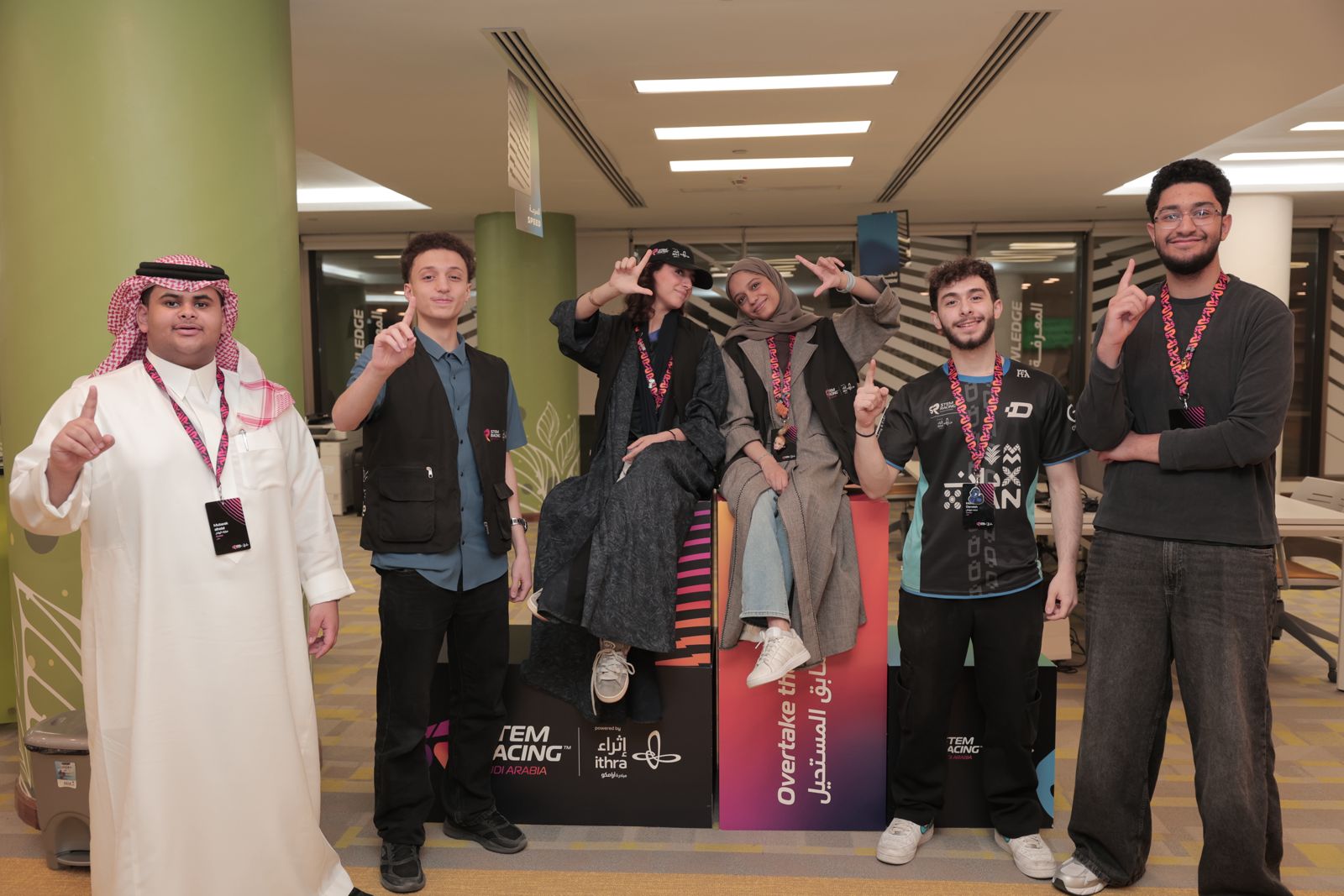
DREIN team members standing together at a STEM Racing event

Team Drein established a clear organizational structure to ensure efficient collaboration and accountability across all project areas. Each member was assigned specialized responsibilities based on their skills, strengths, and expertise.

This structure enhanced workflow efficiency, improved communication, and ensured all deliverables were completed to a high standard. Cross-functional collaboration between departments also encouraged innovation and problem-solving throughout the project lifecycle.

05

Communication & Risk Management

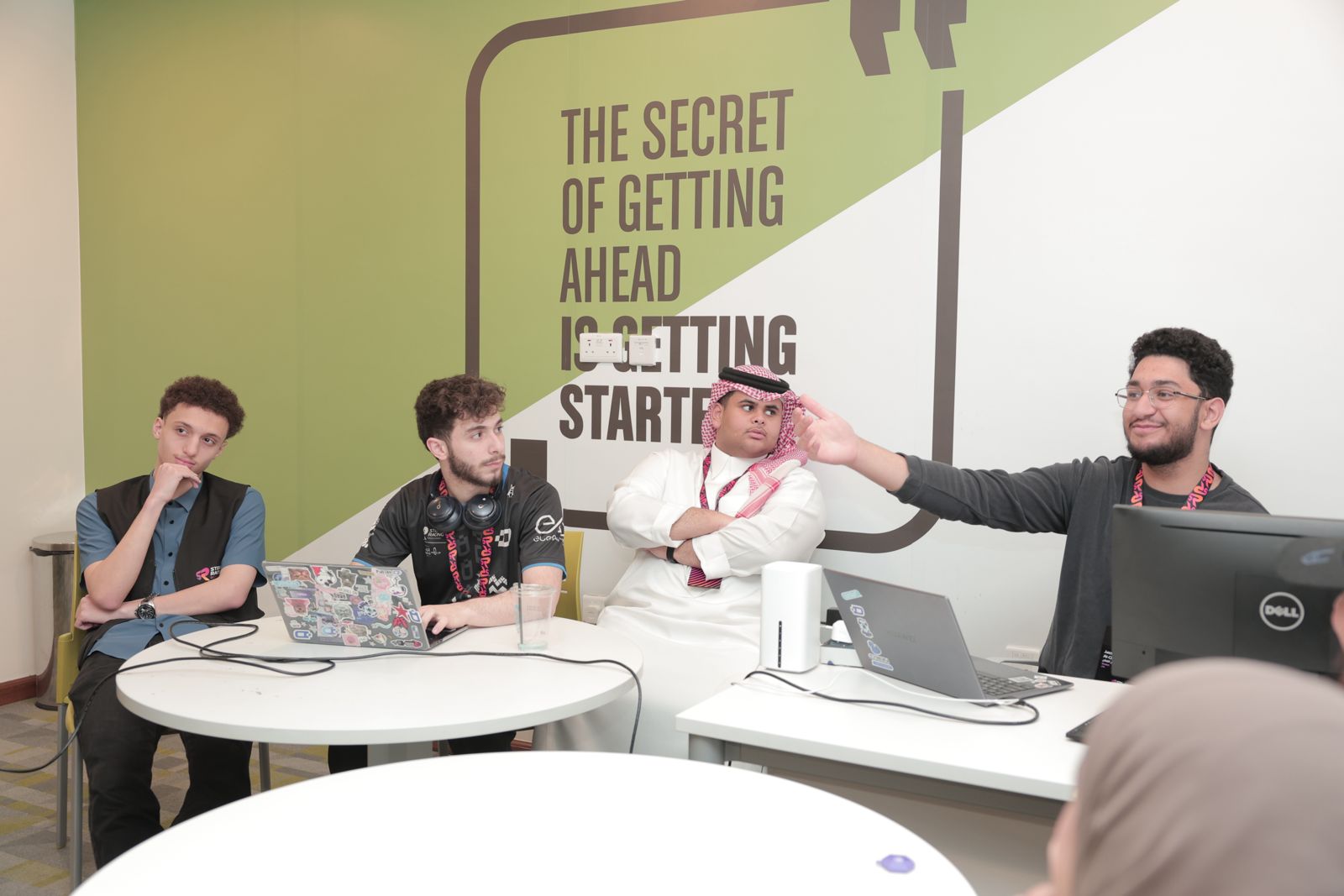
DREIN team members discussing project work around a table

Effective communication was essential to maintaining coordination and productivity within Team Drein. The team established structured communication channels to ensure transparency, efficient collaboration, and rapid problem-solving.

Weekly meetings, progress reports, and internal reviews allowed members to track performance and address challenges proactively. Communication platforms were used to manage tasks, share updates, and maintain workflow consistency across departments.

Alongside communication planning, Drein implemented a comprehensive risk management strategy to identify potential issues before they impacted project performance. Risks related to manufacturing delays, financial limitations, technical failures, and scheduling conflicts were continuously assessed and mitigated.

06

Monitoring & Controlling

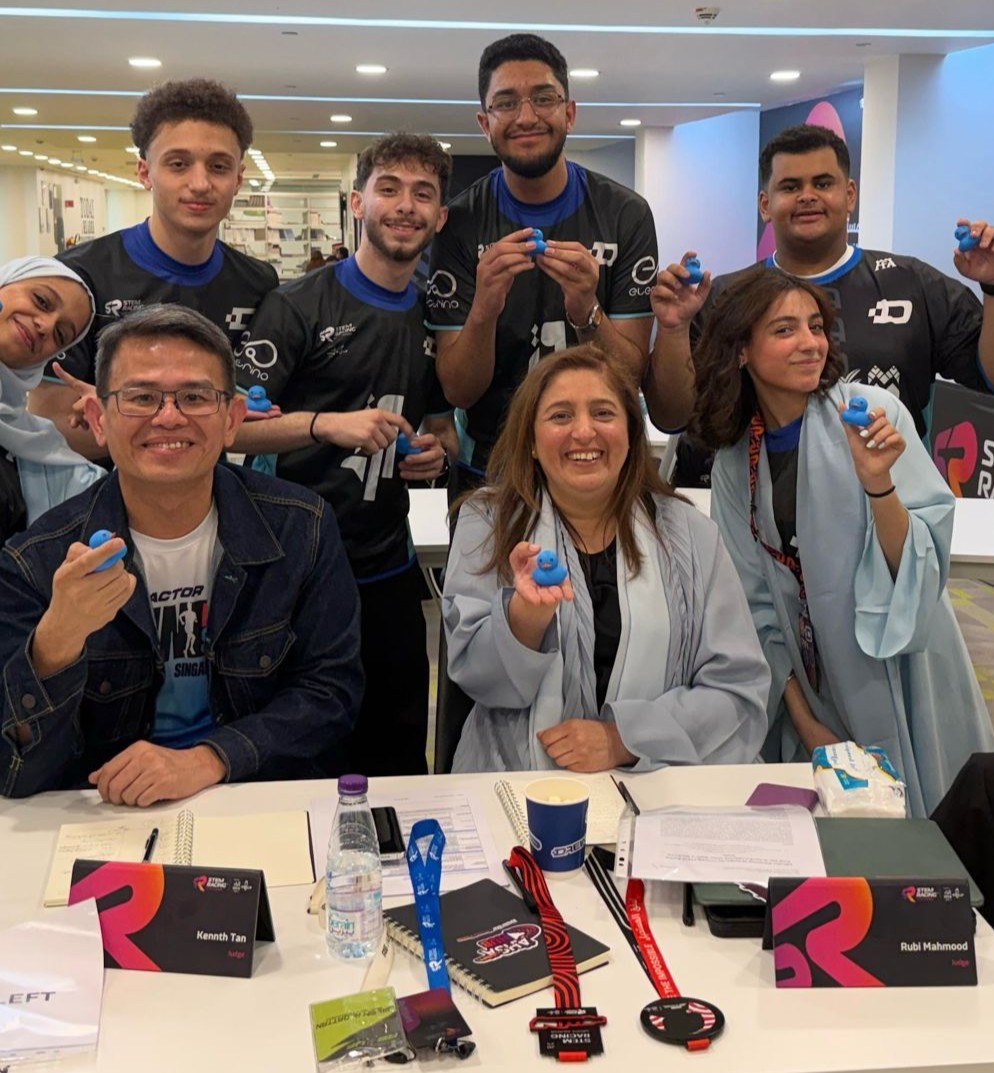
DREIN team and mentors reviewing prototype work together

Throughout the season, Team Drein continuously monitored project performance to ensure objectives, deadlines, and quality standards were achieved. Performance indicators and progress tracking systems were implemented to measure efficiency across all departments.

The team conducted regular design reviews, financial evaluations, manufacturing inspections, and workflow assessments to maintain consistency and identify areas for improvement. Any deviations from the original plan were addressed through corrective actions and strategic adjustments.

This monitoring and controlling process enabled Drein to maintain high project quality, improve decision-making, and ensure readiness for competition at every stage of development.